Thinking about building in Fort Wayne but not sure whether a spec home or a custom build is the right move? You are not alone. It is a big decision that affects your budget, timeline, and lifestyle for years. In this guide, you will learn how each path works in Allen County, what to expect on costs and permits, and how to protect your resale value. Let’s dive in.
Spec vs. custom: quick definitions
What is a spec home?
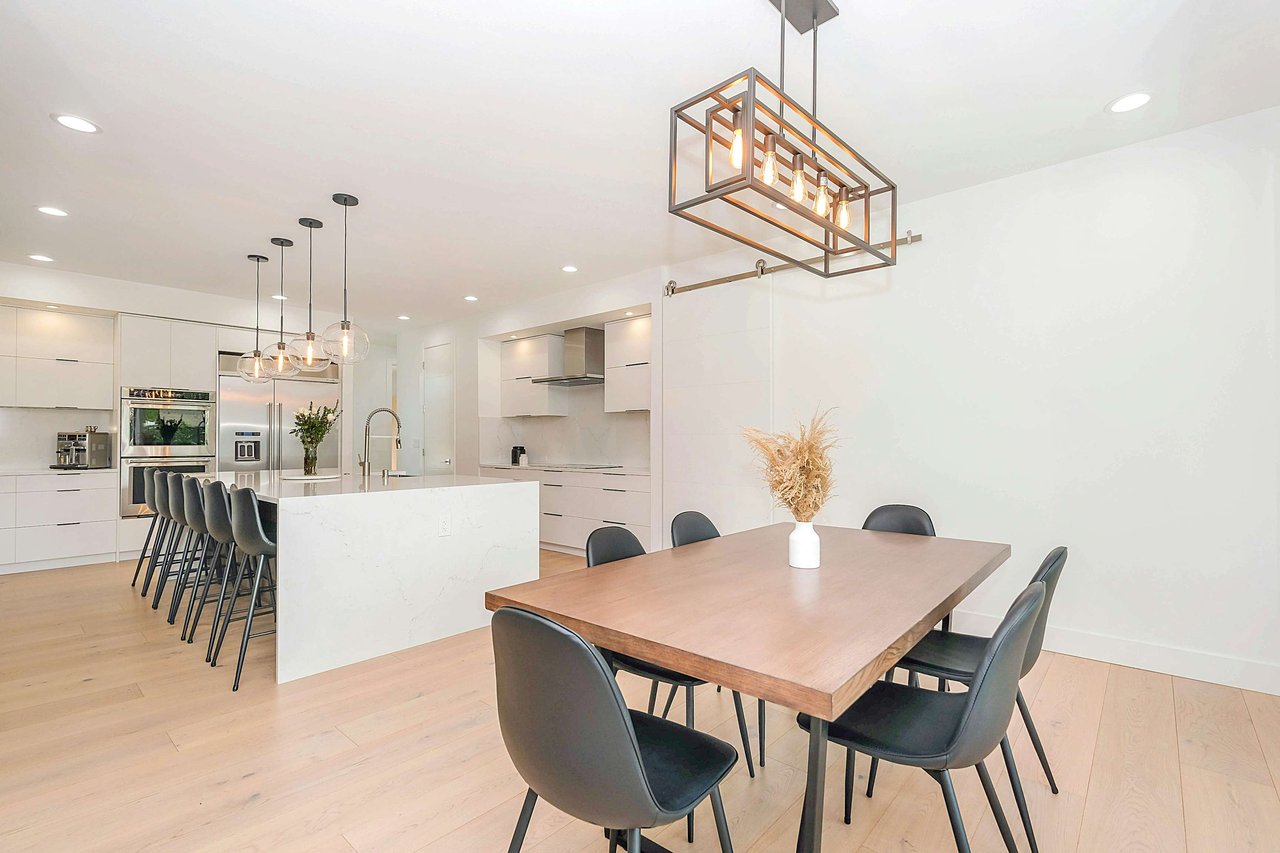
A spec home is built by a builder without a specific buyer in place. The builder chooses the plan, sets most finishes, and prices it to sell upon or near completion. You get faster move-in and predictable pricing with fewer decisions.
What is a custom home?
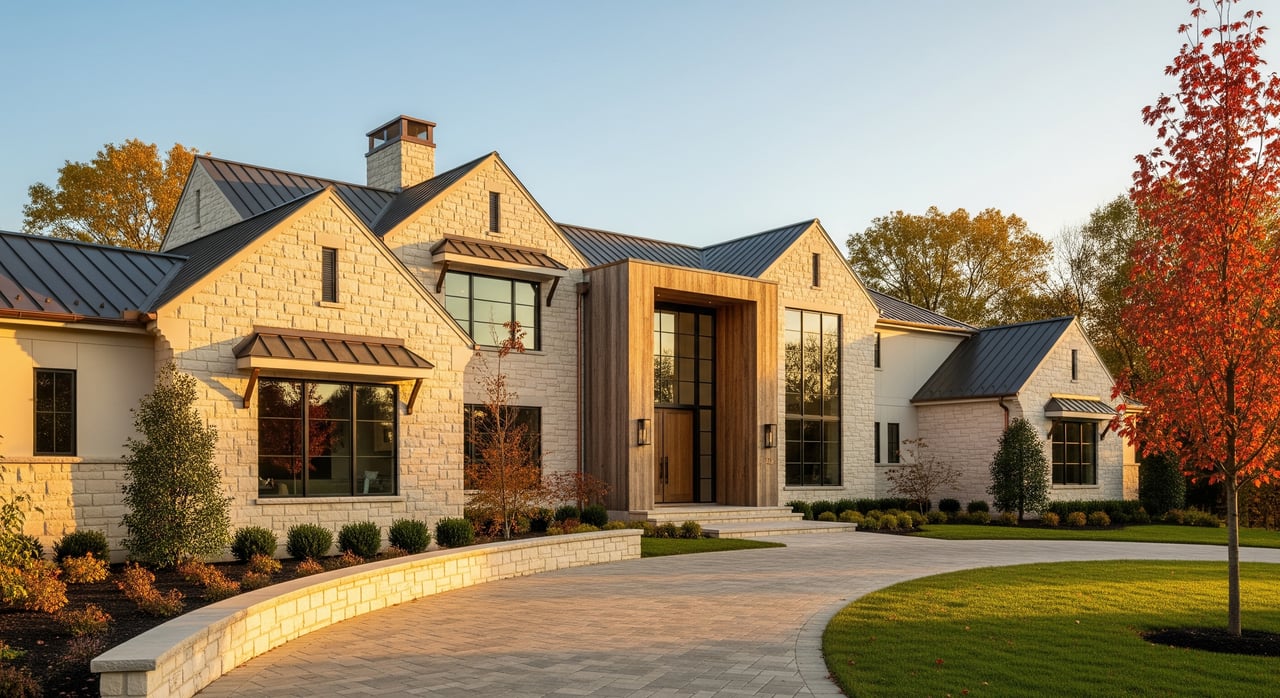
A custom home is designed and built around your preferences on a lot you choose. You control the layout, materials, and finishes. You also take on a longer timeline, more decisions, and more complex financing.
Fort Wayne lot realities
Floodplains and river corridors
Fort Wayne sits at the confluence of the St. Marys, St. Joseph, and Maumee rivers. Some lots fall within mapped flood zones, which can affect design, insurance, and permitting. Always confirm a property’s status using the FEMA Flood Map Service Center before you make an offer.
Sewer versus septic checks
Central Fort Wayne is mostly served by municipal utilities. Many suburban and rural areas in Allen County rely on septic or may require a sewer extension. Septic feasibility depends on soil and lot size, so plan for soil testing early. For parcel research and tax data, use Allen County’s public resources.
Topography and trees
Slope, mature trees, and drainage shape construction costs. Grading, erosion control, or retaining walls can add meaningful line items. If you want a walkout basement or special site features, discuss them during lot selection to avoid surprises later.
Costs and financing
What drives your budget
Whether you choose spec or custom, your all-in cost includes more than the structure. Budget for the lot, site prep, foundation type, mechanical systems, utility connections, finishes, design and permit fees, and contingency. Custom builds usually carry a premium for unique design and change orders. Spec homes benefit from standardized plans and bulk purchasing, which can lower price per square foot.
Financing paths
Spec homes typically finance like a resale purchase with a conventional mortgage or appropriate government-backed options if the home qualifies. If the home is not complete, your lender may have special requirements.
Custom homes usually use construction loans. Many buyers choose a single-close construction-to-permanent loan that converts to a mortgage when the home is finished. For an overview of programs and protections, review guidance from HUD and the Consumer Financial Protection Bureau. Appraisals for unique custom homes can be tighter because comparable sales are limited. Plan for a realistic budget and contingency to navigate appraisal and draw inspections.
Timeline and permits
Typical durations
Spec homes offer the fastest path. If a home is move-in ready, you can close quickly. If construction is just starting, production models often finish in about 3 to 6 months depending on scope and builder schedules. Custom homes typically run 6 to 12 months or more.
Local permits and inspections
The City of Fort Wayne manages building permits and inspections. You will coordinate plan reviews and milestone inspections for foundation, framing, mechanicals, and final approval. Early coordination with planning and zoning, and any applicable HOA architectural review, helps keep your timeline on track. Start with the City of Fort Wayne Permits & Inspections resources for current requirements and contacts.
Erosion and stormwater
Stormwater and erosion control are active local priorities. Larger sites and subdivisions may require engineered solutions. Your builder or engineer should design to local standards and submit any required plans with your permit package.
Resale and warranties in Fort Wayne
Many buyers in the region prefer move-in ready homes, which helps spec homes sell quickly when priced to market. Market preferences can shift with interest rates and inventory, but national and industry insights from groups like the National Association of REALTORS and the National Association of Home Builders show steady demand for new construction when affordability and supply align.
Custom homes can command a premium if the plan, finishes, and lot are broadly appealing. Highly personalized design choices may narrow your future buyer pool. Location remains the strongest driver of resale, including proximity to amenities, commutes, and neighborhood character.
Most reputable builders provide limited new-home warranties covering workmanship and structural components. Review coverage, duration, and transferability. Strong warranty terms can boost buyer confidence and help your resale story down the road.
Decision matrix: which path fits you
| Priority | Better fit: Spec | Better fit: Custom |
|---|---|---|
| Fast move-in | Yes | Only if home already underway |
| Predictable price | Yes | Varies by allowances and changes |
| Full design control | Limited | Strong |
| Unique lot or layout | Sometimes | Strong |
| Simplified financing | Strong | Construction-to-perm needed |
Quick due diligence checklist
- Confirm your true all-in budget, including lot, site work, permits, and contingency.
- Decide your timeline tolerance. Do you need to move in within 3 to 6 months or can you wait 6 to 12 months or more?
- Verify lot constraints. Check FEMA flood maps, confirm sewer access or septic feasibility, and evaluate grading and trees.
- Get preapproved. Discuss construction-to-permanent options with a lender and understand draw schedules and appraisals via the CFPB.
- Define your customization must-haves. Separate structural needs from finish-level preferences.
- Consider your resale horizon. Plan for broadly appealing features if you may sell in the medium term.
- Vet builders. Ask for references, review local projects, and compare warranty coverage.
- Clarify contracts. Understand fixed-price versus cost-plus, allowances, and change-order terms.
- Plan inspections. Use third-party inspections or a construction consultant, especially for custom builds.
- Check HOA or design guidelines. Factor in architectural reviews and restrictive covenants.
How to move forward locally
Set your priorities. Rank speed, budget stability, and design control. Use the matrix above to guide your path.
Investigate the lot first. Review parcel data with Allen County resources and confirm flood status through FEMA. Ask about utilities and any required extensions.
Talk to the city before you submit. Early plan discussions with City of Fort Wayne Permits & Inspections can prevent delays.
Align your financing. Compare single-close construction-to-permanent options and confirm draw and inspection requirements with insights from HUD and the CFPB.
Compare two builder paths. Meet at least one production/spec builder and one custom builder. Ask for schedules, standard features, allowances, and warranty terms in writing.
Order site feasibility studies. If a property needs septic, engage a local soil tester or engineer early. Confirm erosion control and stormwater requirements to prevent redesigns later.
Document decisions. Lock selections, change-order limits, and key dates in your contract. Clear expectations protect your budget and timeline.
If you want design flexibility with less friction, an experienced advisor can connect you to early lot opportunities and help you navigate plans, permitting, and contracts. That is where a local specialist matters. When you are ready to narrow your options or tour available spec inventory, reach out to Mike Lee's Team for step-by-step guidance from first consult to final walk-through.
FAQs
What is the main difference between a spec and custom home in Fort Wayne?
- A spec home uses a builder’s plan and options for faster, predictable delivery, while a custom home is designed around your preferences with more time and decision-making.
How long does each build type take in Allen County?
- Spec homes can be move-in ready or about 3 to 6 months if starting now, while custom homes commonly run 6 to 12 months or more.
What permits and inspections does Fort Wayne require?
- The City manages plan reviews and inspections at foundation, framing, mechanicals, and final stages, so start with the city’s Permits & Inspections resources.
How do construction loans work for custom homes?
- Most buyers use a construction-to-permanent loan that converts to a mortgage at completion, with details and consumer protections outlined by HUD and the CFPB.
What should I check about floodplains and utilities before buying a lot?
- Confirm flood status through FEMA’s map center and verify municipal sewer access or septic feasibility, since these factors can affect design and cost.
Do new homes come with warranties in Fort Wayne?
- Many builders offer limited workmanship and structural warranties, and you should compare coverage and transferability since it can help both peace of mind and resale.