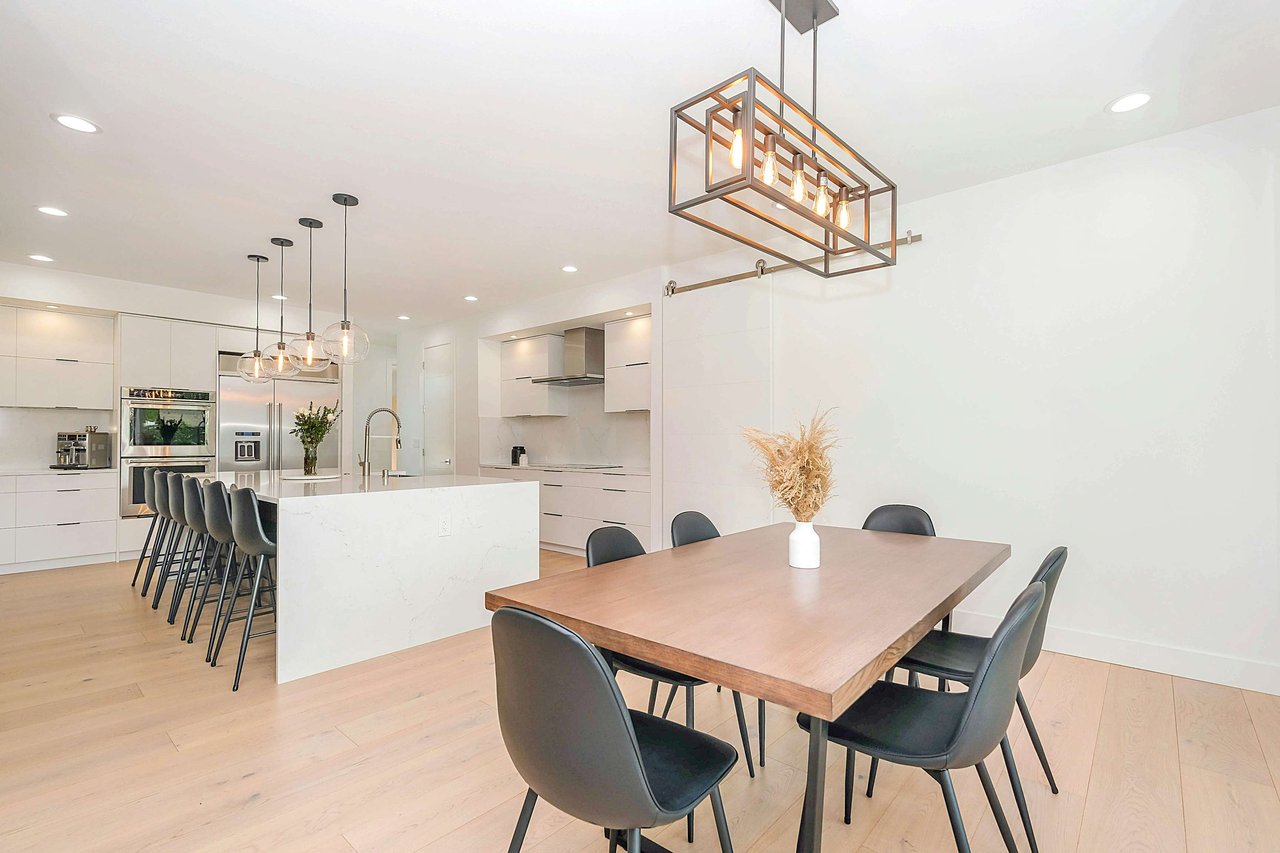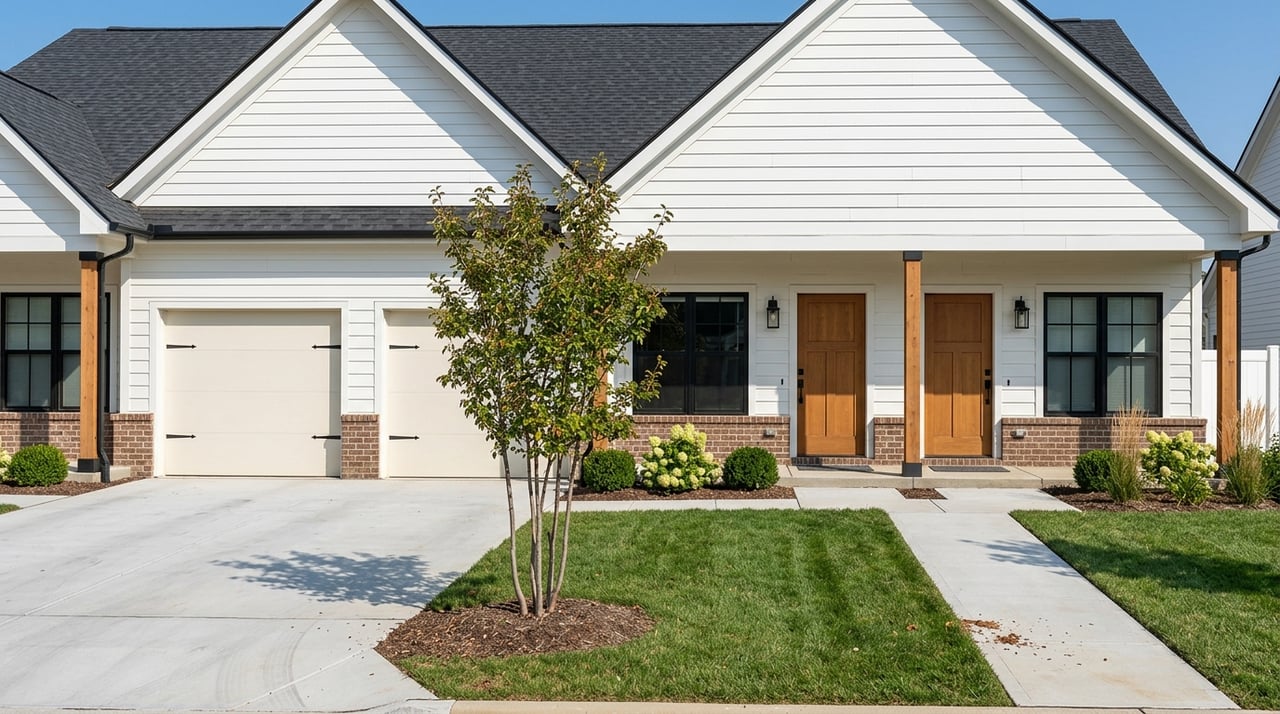
What if the best cash flow in your portfolio is still a dirt lot today? If you are eyeing Fort Wayne and Allen County, you are on the right track. The area is growing, builders are active, and there is fresh inventory on the way. In this guide, you will learn where new construction can make sense, how to finance it, what to check before you buy, and smart exit options. Let’s dive in.
Why Fort Wayne new construction now
Fort Wayne is adding people and jobs, which supports consistent housing demand. The U.S. Census estimates the city’s population at about 273,203 as of July 1, 2024, a steady tailwind for renters and buyers alike. You can view the data in the Census QuickFacts for Fort Wayne to see the growth trend in context (Census QuickFacts).
New-home building is also robust. Allen County recorded an estimated 3.6 billion dollars in building permit valuation in 2024, which signals both future for-sale supply and near-term construction jobs that can support rental demand (Greater Fort Wayne Inc. report).
On the resale side, pricing remains approachable compared with many metro areas. UPSTAR, the local MLS, reported a median sales price near 245,000 dollars in spring 2025, though medians vary by month and method. Always note the source and date when you compare figures (UPSTAR market update).
For rental assumptions, market trackers place average rents for the Fort Wayne area in a broad band around 990 to 1,150 dollars per month depending on product mix and sample set. Use ZIP-level comps when you underwrite a specific property, since citywide averages are only a starting point (Fort Wayne rent trends).
What you can buy new
Single-family rentals (SFR)
New SFRs in planned communities offer modern systems, energy efficiency, and broad renter appeal. Lease-up can be faster in the first few years thanks to lower maintenance needs and fresh finishes. You also preserve a strong exit path to owner-occupants when you decide to sell.
Duplexes and 2–4 units
Small multi-unit properties combine residential scale with multi-unit income. You get diversified cash flow under one roof. Zoning matters, so verify any duplex or 2–4 unit plan with the City/County Planning Department and review Board of Zoning Appeals requirements before you commit (Planning requirements).
Build-to-rent at small scale
If you can secure adjacent or nearby lots, a small cluster of identical plans can simplify management and maintenance. It can also open doors with portfolio lenders that prefer scale. Builder ecosystems range from production outfits to local custom shops. The Home Builders Association of Fort Wayne is a good starting point to understand local players and standards (HBA of Fort Wayne).
Financing paths that fit investors
SFR investor loans
Many active investors use DSCR loans or other non-QM products. These programs underwrite the deal’s cash flow rather than your W-2 income, which can be helpful if you are buying through an LLC or scaling a portfolio. Expect lenders to verify market rent, expenses, and reserves, with terms that vary by credit and leverage (DSCR overview).
Duplex/2–4 units with owner-occupancy
If you plan to live in one unit, FHA financing may allow as little as 3.5 percent down for a 2–4 unit property, provided you meet occupancy and property standards. Lenders can count a portion of projected rental income under FHA rules, which helps some buyers qualify. For non-owner investors, compare conventional or DSCR options (FHA 2–4 unit primer).
Underwriting checklist for Fort Wayne new builds
Use this local-first checklist to keep assumptions tight and surprises low.
A. Location and demand fit
- Pull ZIP-level rent comps and test target rents against similar new and updated homes nearby. City averages are a guide, not your underwriting number (Fort Wayne rent trends).
- Review city planning updates for road, utility, and neighborhood projects that could affect access and absorption. Track infill and small-lot programs when you are targeting close-in sites.
B. Builder and construction details
- Vet the builder’s track record. Check HBA membership, years in market, and references. Note their warranty administration partner if they use a third-party provider (HBA of Fort Wayne).
- Request the full warranty booklet. Many builders follow a common 1-2-10 model: one year on workmanship, two years on systems, and long-term structural coverage that can extend up to 10 years. Confirm coverage, exclusions, and the claims process.
- Collect the spec sheet. Document HVAC brand and type, insulation R-values, window U-values, roofing, exterior cladding, and flooring. Favor durable, easily serviced systems and finishes for rentals.
C. Legal, zoning, and permitting
- Confirm active permits and expected certificate of occupancy timing with the City/County building department. Large subdivisions often deliver in phases that can shift schedules.
- Verify zoning and any variance needs early, especially for duplex or 2–4 unit plans (Planning requirements).
- Check FEMA flood maps and any local overlays. Flood exposure changes insurance costs and lender requirements.
D. Taxes, fees, and operating assumptions
- Model property taxes with Indiana’s cap structure in mind. Owner-occupied homesteads receive deductions and caps that do not apply to investment properties. Confirm assessed value and levies with the county offices, and budget conservatively (Indiana DLGF property tax caps).
- Price professional management in your pro forma or be honest about the hours you will spend self-managing. Include lease-up, renewal, and admin costs. Reserve for maintenance and vacancy.
- Understand the eviction path. Indiana often requires a 10-day written notice to pay or quit for nonpayment before filing, with actual timelines affected by local court calendars. Factor worst-case vacancy and legal costs into your model (Indiana statute reference).
E. Exit and value measurements
- Use both income and sales comps. Underwrite to your target cap rate and also compare to recent 1–4 unit resale prices in similar neighborhoods. In single-family, your buyer pool may include owner-occupants, which can lift pricing in certain areas.
Neighborhood and lot selection tips
- Seek micro-locations with balanced for-sale and rental demand. Proximity to daily needs and employment centers matters for absorption and rent.
- Verify utilities, road plans, and HOA guidelines before you lock a lot. Phased infrastructure can affect delivery timelines and carrying costs.
- Track city-led infill opportunities. Fort Wayne has promoted programs to encourage small-scale builders to bring new product to established neighborhoods. Early awareness often creates an access advantage.
Exit strategies and tax basics
- Hold and refinance. Many investors stabilize rent, then refinance on better terms when rates, LTV, or property seasoning improve.
- Sell to an owner-occupant. New SFR has broad appeal, which can support pricing if the neighborhood draws end users.
- 1031 exchanges. You can defer taxes by exchanging into another qualifying property if you follow IRS timing and documentation rules. Work with a qualified intermediary and tax advisor for compliance (IRS Publication 544).
How Mike Lee’s Team helps you invest
You want a partner who understands both new-construction timelines and investment math. With 13-plus years focused on new homes, a preferred-agent relationship with Granite Ridge Builders, and a concierge approach to contracts, specs, and selections, you get early lot access and steady guidance from offer to close. We coordinate the details, pressure-test assumptions, and keep your build on track so your pro forma stays intact.
If you are ready to run numbers, compare communities, or walk lots, connect with Mike Lee's Team. We will help you evaluate the right product type, verify zoning, and line up a financing path that fits your goals.
FAQs
What is driving new construction demand in Fort Wayne?
- Population growth and a strong 2024 permit valuation of about 3.6 billion dollars point to active building and steady housing needs, which support both rentals and resales (Greater Fort Wayne Inc. report; Census QuickFacts).
How should I set rent for a new-build SFR in Fort Wayne?
- Start with citywide trackers that show roughly 990 to 1,150 dollars per month on average, then replace that with ZIP-level comps for similar size and finish before you finalize underwriting (Fort Wayne rent trends).
What resale pricing should I expect when I exit?
- UPSTAR reported a median sales price near 245,000 dollars in spring 2025, but your exit depends on neighborhood comps and condition at sale, so use both income and sales comparisons (UPSTAR market update).
Can I buy a new duplex with a low down payment if I live there?
- Yes, FHA financing can allow as little as 3.5 percent down on 2–4 unit properties for owner-occupants who meet FHA standards, while non-owner investors typically use conventional or DSCR programs (FHA 2–4 unit primer).
Are duplexes allowed on any lot in Allen County?
- No, duplexes and small multis depend on zoning and overlays, so get written verification from the City/County Planning Department or the Board of Zoning Appeals before you proceed (Planning requirements).
What eviction timeline should I plan for in Indiana if a tenant does not pay?
- State law often requires a 10-day notice to pay or quit before you can file for nonpayment, and court calendars affect total time, so budget legal costs and vacancy conservatively (Indiana statute reference).