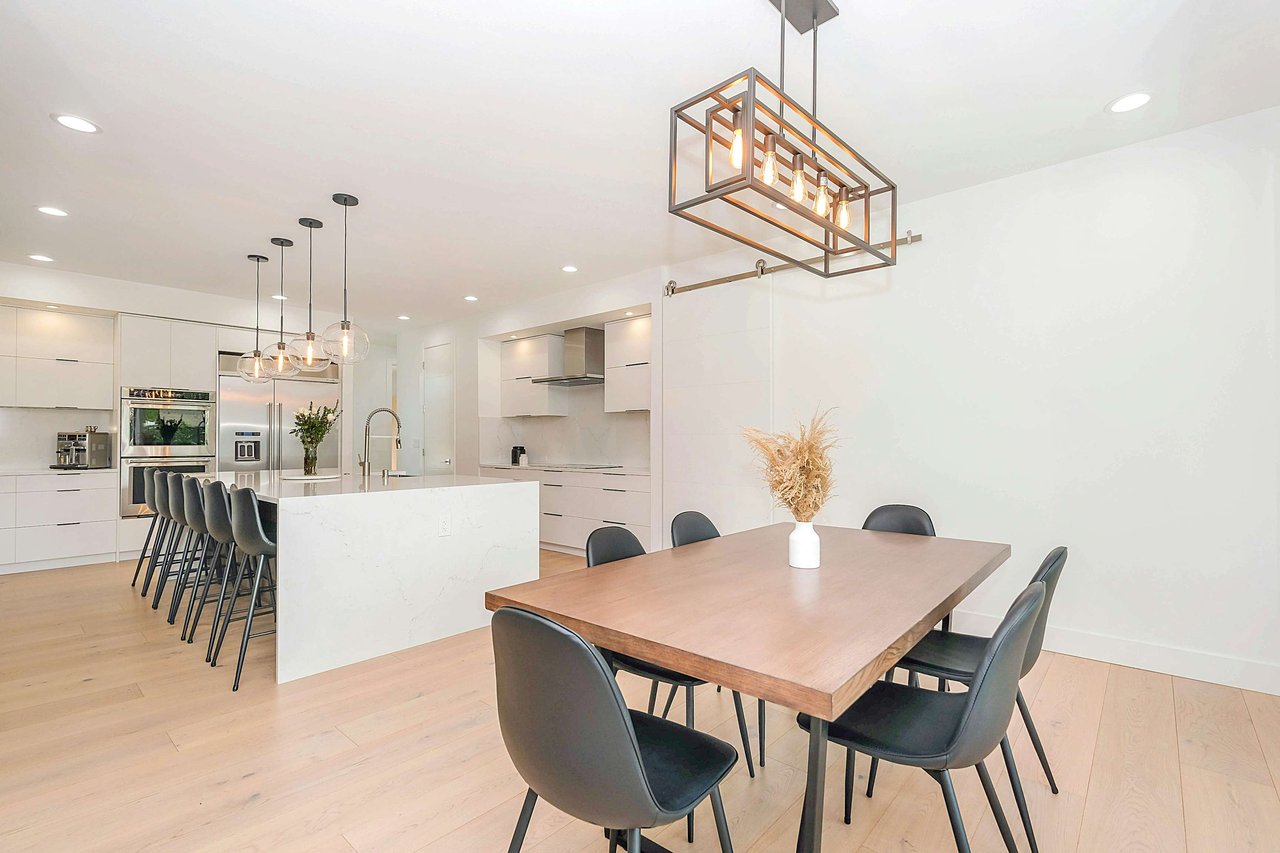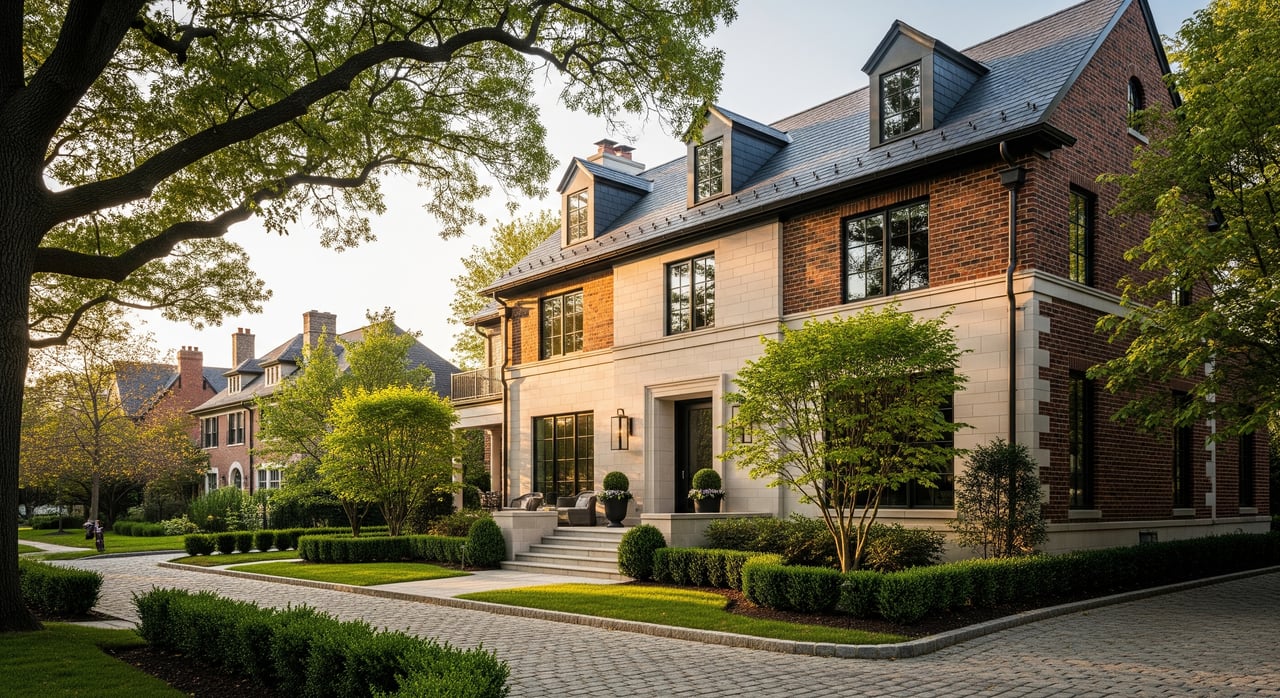
Trying to narrow down the best luxury areas in Fort Wayne can feel overwhelming. You have solid goals for space, style, and commute, but every pocket offers a different mix of lifestyle, lot size, and housing stock. This guide breaks down how “luxury” works locally and compares Fort Wayne’s major high-end pockets so you can shortlist with confidence. You’ll also get practical steps, a touring checklist, and questions to ask before you write an offer. Let’s dive in.
How Fort Wayne defines luxury
Luxury looks different in Fort Wayne than in larger metros. Because our market’s median price is lower, a home that reads as “move-up” elsewhere may qualify as high-end here. The most reliable way to define luxury is to use two lenses together and verify numbers at the time you shop.
- Price-threshold approach: Use the 90th percentile of active single-family listings in Allen County to set a local luxury threshold. Confirm this with an up-to-date MLS data pull and note the date.
- Price-band approach: Sort options into practical bands for buyers: upper move-up, high-end, and ultra-luxury. Locally, these bands often start where finished square footage, premium features, or lot size meaningfully exceed the market median. Verify current ranges with MLS before you compare pockets.
- Why this matters: A $500k home in Fort Wayne can deliver premium finishes, acreage, or a prime setting that would cost far more in a larger city. Context helps you compare apples to apples.
Start with your priorities
Before you look at maps, list your non-negotiables. Then match pockets that fit the basics and schedule targeted tours.
- Commute and daily drive times you’ll accept
- Lot size and setting preferences: low-maintenance, neighborhood lot, or acreage
- Build style: historic charm, golf-course traditional, or newer transitional and modern farmhouse
- Amenities you’ll use: club, pool, trails, or walkable dining
- School district boundaries to verify with local districts
Buyer personas to guide your search
- Young family that wants neighborhood amenities and a newer floor plan: You might gravitate to newer master-planned subdivisions in Aboite or northwest Fort Wayne, or to upscale exurban communities with parks and trails.
- Executive with a downtown office who values quick access to dining and events: Historic inner-ring pockets near the river and West Central-style enclaves can deliver restored homes and short drives to downtown.
- Acreage and privacy seeker: Riverside corridors and estate pockets along the St. Joseph or St. Marys rivers, plus select exurban areas, offer larger parcels and seclusion.
Fort Wayne luxury pocket comparisons
Below are the major luxury pocket types you’ll find around Fort Wayne and Allen County. Use these profiles to decide which 2 to 4 areas to tour first.
Historic inner-ring and river-adjacent enclaves
Close to downtown and cultural amenities, these areas feature restored historic homes and select infill builds designed to match neighborhood scale.
- Identification: Inner-ring neighborhoods near the river and downtown corridors. Short drives to Promenade Park, Headwaters Park, and downtown dining.
- Housing stock: Victorian, Colonial Revival, and Tudor homes, plus some newer builds with period-appropriate design.
- Lots and setting: Urban to medium-size lots, occasional riverfront parcels or older estate lots.
- Price dynamics: Renovated historic homes and river views often command premiums.
- Lifestyle tradeoffs: Short trips to restaurants, events, and the ballpark. Expect less yard privacy than suburban estates and plan for historic-preservation considerations or older systems.
- Amenities snapshot: Quick access to downtown venues, parks, and seasonal events. Private yards and on-site club amenities are limited compared to suburban pockets.
Golf-course and country-club communities
Neighborhoods planned around private or semi-private clubs offer social calendars and well-kept streetscapes, with traditional and transitional custom homes.
- Identification: Communities built around golf facilities across Allen County and nearby corridors.
- Housing stock: Custom brick and stone homes, ranch and two-story plans, high-end kitchens, and 3-plus-car garages.
- Lots and setting: Medium to large lots, with premiums for properties backing holes or water features.
- Price dynamics: Resale value often tracks lot position, water or course views, and builder reputation.
- Lifestyle tradeoffs: Club amenities and HOA rules create a consistent environment. Commute times vary by corridor.
- Amenities snapshot: On-site or nearby dining, fitness, pool, tennis in select communities, and convenient access to suburban shopping centers.
Newer master-planned subdivisions and Aboite-area luxury
Southwest and northwest corridors, including Aboite Township, deliver newer builds with energy-efficient systems and open layouts, plus parks and trails.
- Identification: Large master-planned developments in suburban corridors and select nearby municipalities.
- Housing stock: Transitional, contemporary, and modern farmhouse styles from tract and custom builders. Mix of new construction and recent resales.
- Lots and setting: Medium to large lots, with larger parcels in estate phases and along the edges.
- Price dynamics: Newer homes carry premiums for condition and features. Builder incentives and lot position influence pricing.
- Lifestyle tradeoffs: More space, storage, and modern systems in exchange for longer drives to downtown. School boundaries can be a key factor to confirm.
- Amenities snapshot: Sidewalks, playgrounds, internal trail systems, and access to shopping and casual dining corridors.
Riverside and estate corridors
Custom estates set along scenic corridors, including stretches of the St. Joseph and St. Marys rivers, deliver privacy and space.
- Identification: Larger parcels near river corridors and wooded areas in Allen County.
- Housing stock: Custom and semi-custom estates, ranches, and contemporary homes with outdoor living and room for accessory buildings.
- Lots and setting: Large lots that commonly range from about a half acre to several acres in more exurban pockets.
- Price dynamics: True waterfront, extensive acreage, and unique architecture can command premiums. Lower listing volume can mean fewer comparables.
- Lifestyle tradeoffs: Greater seclusion and quiet. Expect longer drives for retail and dining.
- Amenities snapshot: Direct nature access, private outdoor amenities, and opportunities for workshops or hobby spaces.
Exurban luxury in satellite towns
Outlying towns such as New Haven, Huntertown, Leo-Cedarville, and Grabill feature upscale subdivisions with larger lots and newer homes.
- Identification: High-end subdivisions outside the Fort Wayne city limits with convenient highway access.
- Housing stock: Similar to master-planned suburban pockets, with contemporary styles and custom touches.
- Lots and setting: Often larger lots than in-city neighborhoods, with a quieter, small-town context.
- Price dynamics: Value influenced by lot size, builder quality, and commute convenience.
- Lifestyle tradeoffs: More space and privacy with a practical drive to employers. Verify utilities and municipal services for each subdivision.
- Amenities snapshot: Community parks and trails vary by subdivision. Dining and shopping center options are typically clustered near town cores or highway corridors.
What to compare for each pocket
To make a confident decision, gather consistent metrics for the last 12 months and note your data pull date. A concise one-page profile per pocket will keep your tour focused.
- Market activity: Current active luxury listings, median and average sale price, price per square foot, median days on market, months of supply, and typical list-to-sale percentage.
- Housing and lots: Common styles and eras, finished square footage ranges, lot sizes, and common features like finished basements or first-floor suites.
- Price bands and examples: Recent low, mid, and high comps that illustrate realistic options in the pocket.
- Commute details: Typical drive times to downtown and top employer clusters during peak hours.
- Amenities: Parks, trails, club features, nearby shopping and dining corridors.
- Fees and utilities: HOA presence and dues, property tax norms, municipal utilities vs well and septic.
- Risks and tradeoffs: Floodplain checks for riverfront property, historic-home maintenance needs, and appraisal-comparable availability in thin markets.
How to shortlist your top areas
Use this simple process to move from research to a confident tour list.
- Set your filters. Define commute ceilings, minimum lot size, must-have features, and a price band that aligns with current MLS luxury thresholds.
- Pick 3 to 5 matching pockets. Choose areas that check your non-negotiables, not just one or two wish-list items.
- Build one-pagers. For each pocket, compile market metrics, 3 recent comps, HOA notes, and commute times at peak and off-peak.
- Tour with purpose. Drive the neighborhood at rush hour, sample a local restaurant, and walk a nearby trail or park to test the lifestyle fit.
- Adjust and decide. Refine your top two pockets, then pursue on-market options or explore a custom-build path if inventory is thin.
Touring checklist for luxury homes
Bring this quick list to every showing.
- Verify finished square footage, basement finish, and garage count.
- Walk the lot lines and note privacy, orientation, and adjacent uses.
- Review systems: roof, HVAC age, electrical panel, and window quality.
- Inspect kitchen and bath finishes, cabinet construction, and appliance packages.
- Ask about HOA rules, dues, and any planned assessments.
- Check cell coverage, internet options, and smart-home integrations.
- For historic homes, ask about permits and scope of any major renovations.
Questions to ask listing agents
Use these prompts to clarify value and avoid surprises.
- What were the seller’s recent upgrades and who performed the work?
- Are there HOA restrictions on fencing, outbuildings, or exterior materials?
- How do utilities run here - municipal water and sewer or well and septic?
- Any known floodplain impacts or elevation certificates on file?
- Typical list-to-sale percentage in this pocket over the last 12 months?
- Are there builder warranties or transferrable system warranties in place?
Validate lot and flood risks
River and estate settings can require extra diligence. Protect your investment with a quick verification routine.
- Pull parcel boundaries and lot size from county GIS or assessor resources.
- Confirm whether the parcel intersects any designated floodplain and ask about flood insurance requirements.
- For wells and septics, review maintenance records and ask about recent inspections.
- Walk the site after recent rain if possible to understand drainage patterns.
Considering new construction
If resale options in your target pocket feel limited, a custom or semi-custom build can solve for layout and finish preferences without compromise.
- Why build: New systems, energy efficiency, and a floor plan tailored to your lifestyle.
- Where to build: Estate phases in master-planned communities, exurban subdivisions with larger lots, or select infill opportunities near established corridors.
- How to approach: Secure early-lot access, align your budget with current material and labor pricing, and manage allowances to control finish-level costs.
- Advisory advantage: A hands-on agent who specializes in new construction can guide design, contracts, and timelines so you hit your move-in target.
Next steps
You do not need to tour every luxury pocket in Fort Wayne to find the right fit. Define your must-haves, match 3 to 5 areas using the comparison points above, and tour during the times you’ll actually live your routine. If a pocket checks your boxes but active inventory is thin, explore a custom-build path to get the lot, layout, and finishes you want on your timeline.
If you want a boutique, concierge-level plan tailored to your goals, connect with Mike Lee's Team for neighborhood shortlists, on-market options, and a clear roadmap for resales or a custom build with early-lot access.
FAQs
What is a practical way to define luxury in Fort Wayne?
- Use the 90th percentile of active listings as a threshold and pair it with practical price bands, then verify with a fresh MLS data pull.
How should I compare luxury neighborhoods in Allen County?
- Gather the same 12-month metrics for each pocket: prices, days on market, price per square foot, inventory, commute times, HOA details, and lot sizes.
Where can I find larger lots near Fort Wayne?
- Look to riverside and estate corridors, plus select exurban communities in towns like Leo-Cedarville, Grabill, Huntertown, and New Haven.
Are golf-course communities a good fit for families?
- If you value organized amenities and a consistent streetscape, club communities can work well. Review HOA rules and membership details to ensure they fit your lifestyle.
How do I verify school boundaries for a luxury home purchase?
- Check the local district’s boundary tools and confirm assignments directly with the district, since boundaries and programs can change.
What should I watch for with historic luxury homes near downtown?
- Plan for older systems, confirm permits for major renovations, and understand any historic-preservation guidelines before you buy.
Do riverfront homes in Fort Wayne require flood insurance?
- Some do. Check floodplain maps for the parcel, review any elevation certificates, and consult your lender and insurer for exact requirements.