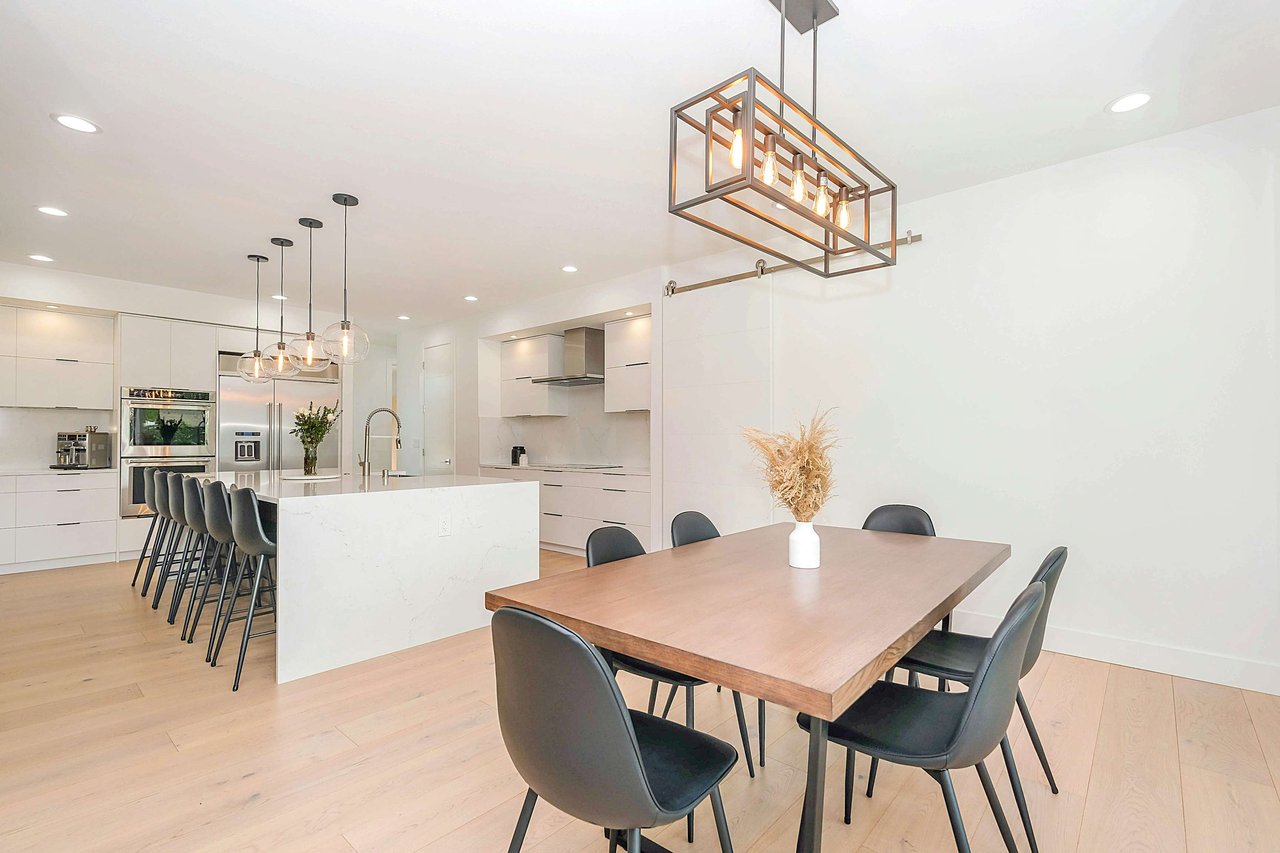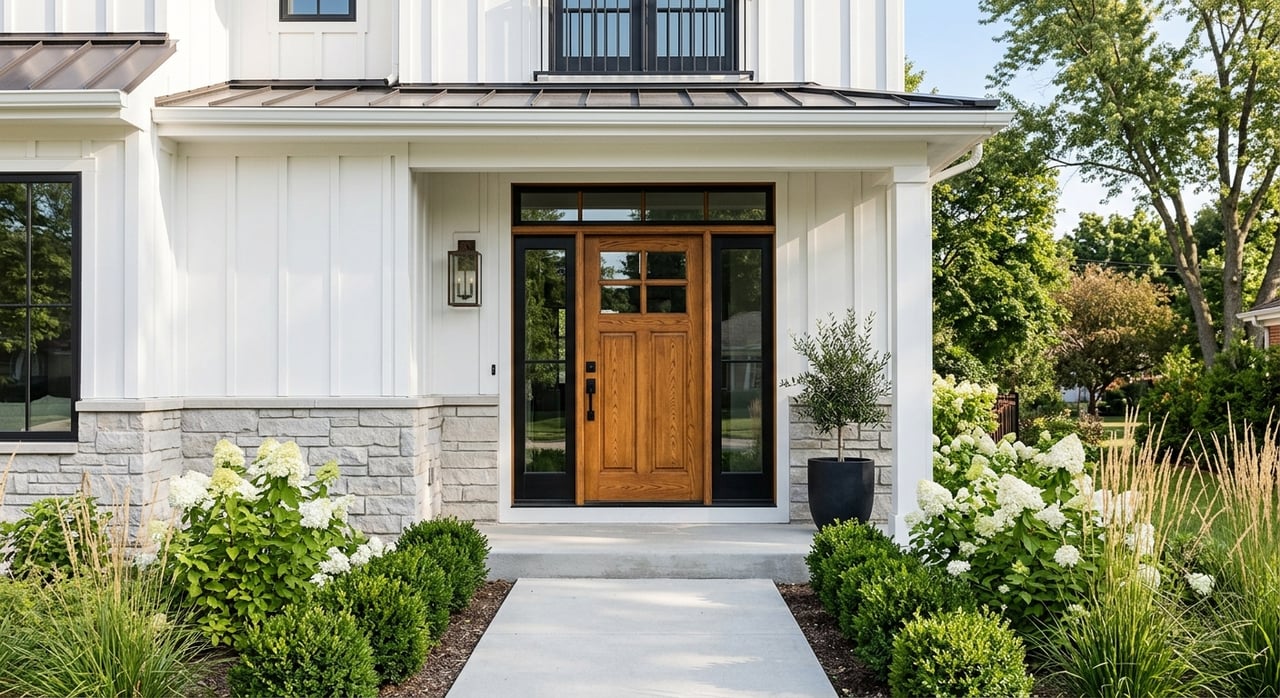
Wondering whether a luxury new build or a resale home is the smarter move in Fort Wayne? If you are weighing custom finishes against established neighborhood character, you are not alone. In a market with hundreds of distinct neighborhoods and active public investment across the city, the right choice often comes down to how you want to live, how soon you want to move, and how much certainty you want before closing. Let’s dive in.
Why Fort Wayne Makes This Decision Different
Fort Wayne is not one single, uniform market. The city recognizes more than 400 neighborhoods, which means your decision is about more than square footage or countertop material.
For luxury buyers, location fit, lot quality, and neighborhood trajectory can matter just as much as the home itself. A newer home in one area may suit your goals better than an older home with more character in another, and the reverse can be true too.
Broad market data helps set the stage, but it does not define the luxury segment. Recent reports showed a March 2026 median sale price of $215,000, an April 2026 median listing price of $287,300, and 37 median days from listing to pending in the Fort Wayne MSA in January 2026. Those figures are useful as context, but they are not direct luxury benchmarks.
Fort Wayne is also doing two things at once that matter to higher-end buyers. The city is supporting new-home activity on vacant city lots, and City Utilities announced a $91 million neighborhood infrastructure plan for 2026 that includes water, sewer, and drainage improvements in multiple areas. That means both new construction and resale opportunities deserve a closer look.
Luxury New Builds: Where They Shine
A luxury new build often makes sense when you want a home tailored to your lifestyle from day one. You may be able to choose your layout, finishes, and features before construction is complete, which gives you more control over the final product.
Newer systems are another major benefit. In many cases, buyers are drawn to the peace of mind that comes with new HVAC, plumbing, electrical, and roofing components rather than inheriting older systems with an unknown remaining lifespan.
Efficiency can also be part of the value. The U.S. Department of Energy says DOE Efficient New Homes meet verified standards for efficiency, comfort, health, and durability, which may appeal if lower maintenance and modern performance are high on your list.
Most newly built homes also come with some type of builder warranty. According to the FTC, many builders commonly cover workmanship and materials for about one year, mechanical systems like HVAC, plumbing, and electrical for about two years, and in some cases major structural defects for up to 10 years.
What You Trade for Customization
The biggest tradeoff with new construction is usually time. A home that is not finished yet can offer flexibility and personalization, but it also comes with moving parts that do not exist with a completed resale.
In Allen County, a new structure requires an Improvement Location Permit before construction begins. Depending on the property type, permit processing may take a few days or longer, and the home must clear a Certificate of Compliance and then a Certificate of Occupancy before you can move in.
Utility connection and site-development steps also matter. Fort Wayne City Utilities treats new development as a process that includes site selection, plan review, permitting, inspection, and utility connection, so timelines can depend on more than the builder alone.
New-Build Questions to Ask
If you are comparing luxury new homes in Fort Wayne, ask clear questions early:
- What is the builder deposit policy?
- When, if ever, is the deposit refundable?
- What warranty coverage is included?
- What is the estimated completion window?
- Are utility connections or site-development costs still outstanding?
- What approvals must happen before occupancy is allowed?
- Are you free to choose your own lender?
The financing piece deserves attention too. The CFPB advises that buyers of homes not yet built should ask about upfront deposits and refund terms, and buyers are not required to use the builder’s affiliated lender.
Luxury Resales: What They Offer
A luxury resale home can be the better fit if you want to see exactly what you are buying before you commit. You can evaluate the actual lot, the home’s position on the street, mature landscaping, and the surrounding context in real time.
That visibility matters in Fort Wayne, where neighborhood feel can shift block by block or subdivision by subdivision. In established areas, a resale can offer a sense of place that is hard to judge from plans, renderings, or a partially completed site.
Resales can also be attractive if timing matters. If you want a faster move, a completed home can remove many of the construction and permitting variables that come with building from the ground up.
What to Check Carefully
The main tradeoff with a resale is condition. Even a beautifully maintained luxury property can have aging systems, deferred maintenance, or updates that were done years ago.
In Indiana, sellers of one-to-four-unit residential property generally must complete a residential sales disclosure form. That disclosure is intended to cover known conditions related to items like the foundation, roof, structure, mechanical systems, and water or sewer systems.
That disclosure is helpful, but it is not a substitute for your own due diligence. The CFPB advises buyers to schedule an independent inspection as soon as possible and to make the purchase contract contingent on satisfactory financing and inspection.
HUD also strongly urges buyers of homes needing repairs to obtain a professional inspection. For luxury resales, that step matters even more because larger homes, specialty systems, and premium features can be more expensive to repair or replace.
Resale Questions to Ask
When evaluating a luxury resale in Fort Wayne, keep your research practical and specific:
- What does the seller disclosure say?
- When were the roof, HVAC, plumbing, and electrical systems last updated?
- Were additions or renovations properly permitted?
- Are there HOA rules or subdivision covenants?
- What did the inspection reveal?
- What are the property taxes for this exact parcel?
- Are flood risk or insurance costs likely to affect ownership costs?
If you want extra post-closing protection, a home warranty may be available, but it is not the same thing as a builder warranty. The FTC notes that a home warranty is a separate service contract and usually costs extra.
Taxes, Infrastructure, and Long-Term Value
Whether you buy new or resale, long-term ownership costs deserve just as much attention as the purchase price. In Indiana, property taxes are capped at 1% of gross assessed value for homestead property and 2% for other residential property, but local rates still vary by district.
Allen County publishes tax rates across townships and districts, so it is important to estimate taxes for the exact property instead of relying on a citywide average. For a luxury purchase, that difference can be meaningful.
Public investment is another factor that can shape value over time. Fort Wayne City Utilities announced 2026 work that includes water-main replacement, sewer lining, and drainage projects in neighborhoods such as Belmont, Bloomingdale, and West Jefferson Boulevard, among others.
That matters because older resale areas may benefit from public reinvestment, which can strengthen their long-term appeal. It also means that some established neighborhoods may offer a better blend of character and improving infrastructure than buyers expect.
Buyers should also review flood and insurance risk early. This is especially important when comparing lots in different parts of Fort Wayne or looking at homes near areas with drainage work or future infrastructure improvements.
How to Decide Which Path Fits You
If your top priority is personalization, a luxury new build may be the better path. You can often shape the layout, finishes, and overall feel of the home in a way a resale usually cannot match.
If your top priority is certainty, a resale may give you more confidence up front. You can inspect the actual home, study the lot in person, and understand the neighborhood context before making a final decision.
If speed matters most, resale usually has the advantage. If efficiency, newer systems, and a clean-slate ownership experience matter more, new construction may be worth the longer timeline.
In Fort Wayne, both options can be strong. The city is encouraging infill housing while also investing in infrastructure across established neighborhoods, so the better choice is usually the one that best matches your timeline, tolerance for unknowns, and lifestyle goals.
A Simple Side-by-Side Comparison
| Factor | Luxury New Build | Luxury Resale |
|---|---|---|
| Customization | High, especially early in the process | Limited to future renovations |
| Move-in timing | Often longer and less predictable | Usually faster |
| Ability to inspect final product before contract | Sometimes limited if not complete | High |
| System age | Typically brand new | Varies by property |
| Warranty type | Builder warranty may be included | Home warranty is separate and optional |
| Neighborhood context | May be emerging, infill, or newer development | Often established and easier to evaluate |
| Process complexity | Higher due to permits, utilities, and occupancy steps | Higher due to condition review and inspection |
The Fort Wayne Advantage of Working With a Local Specialist
In a market this varied, broad advice only gets you so far. Fort Wayne’s many neighborhoods, subdivision differences, lot conditions, tax districts, and public investment patterns make local guidance especially valuable when you are buying at the luxury level.
If you are considering a custom build, early lot opportunities, builder terms, and timeline planning can all shape the outcome. If you are leaning toward a premium resale, careful review of disclosures, updates, parcel-specific taxes, and neighborhood context can protect your investment.
The right advisor helps you compare these paths clearly, not just emotionally. That kind of guidance can save time, reduce surprises, and help you choose with more confidence.
If you are weighing a luxury new build against a resale in Fort Wayne, Mike Lee's Team can help you compare neighborhoods, lots, timelines, and property details so you can move forward with clarity.
FAQs
Should you choose a luxury new build or resale in Fort Wayne?
- Choose a luxury new build if customization, newer systems, and efficiency matter more to you than speed. Choose a resale if immediate occupancy, visible lot conditions, and established neighborhood character matter more.
What should you ask before buying a luxury new build in Allen County?
- Ask about the builder deposit policy, refund terms, warranty coverage, completion timeline, utility or site-development costs, lender choice, and what must happen before a Certificate of Occupancy is issued.
What should you review before buying a luxury resale home in Fort Wayne?
- Review the seller’s disclosure, inspection findings, age of major systems, permit history for additions or renovations, HOA or covenant rules, parcel-specific taxes, and possible flood or insurance costs.
How do property taxes work for luxury homes in Allen County?
- Indiana caps homestead property taxes at 1% of gross assessed value and other residential property at 2%, but tax rates vary by district, so you should estimate taxes on the exact parcel.
Why does neighborhood research matter so much in Fort Wayne?
- Fort Wayne has more than 400 neighborhoods, so the most useful research is usually done at the block, subdivision, or parcel level rather than relying on broad citywide assumptions.